Everything You Need To Know About NTSA Mandatory Car Inspections
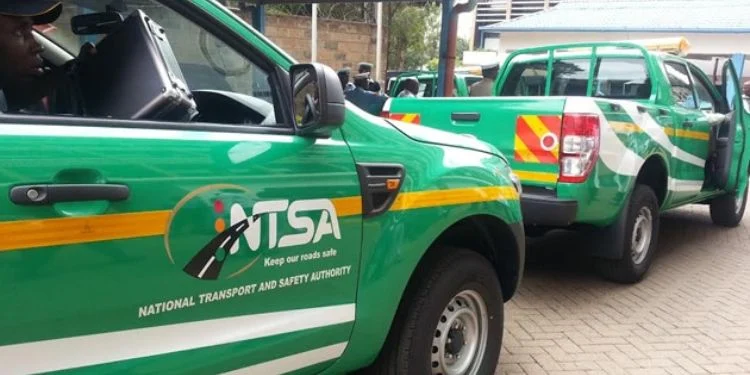
The National Transport and Safety Authority (NTSA) will begin thorough vehicle inspections in the coming days following its victory in the High Court by Justice Maureen Odero, which cleared the authority to enforce new traffic regulations.
New traffic regulations enforcement was put on hold after a petition was filed at the High Court. Now that the honourable court has dismissed the petition challenging the Traffic (Registration and Licensing) Rules 2023 and Traffic (Inspection) Rules 2023, full implementation of the reforms will now take hold.
What you need to know about NTSA Mandatory Car Inspection
With the reforms taking place, the National Transport and Safety Authority (NTSA) will go stricter on cars, and vehicles that are not roadworthy will not get clearance.
Under the new NTSA rules, private vehicles older than 4 years will undergo mandatory inspections, while commercial, public service, and school vehicles will be required to undergo annual inspections to ensure compliance with road safety standards.
In essence, the new NTSA framework expands inspection requirements to include private vehicles, requiring regular checks to confirm continued roadworthiness as vehicles age, as well as tighter scrutiny for public vehicles.
Key New Requirements
| Vehicle Type | New Inspection Requirement |
|---|---|
| Private vehicles (cars) | Mandatory inspection if older than 4 years (previously not regularly inspected) |
| Commercial & Public Service Vehicles | Annual inspections |
| School transport | Stricter scrutiny |
| Accident-damaged vehicles | Inspection required before returning to road |
| Re-registration or change of ownership | Inspection required |
What Are The Things NTSA Inspectors Flag?
For your broader understanding, we have highlighted the common things that result in cars not passing the NTSA inspections and what they flag the most.
Mechanical
The first thing an inspector looks at when undergoing a review is the mechanical parts of a car, which are essential in reducing car accidents. The mechanical parts checked are:
- Faulty braking systems (reduced or uneven braking efficiency)
- Worn-out tyres
- Malfunctioning lights (headlights, indicators, rear lights)
Environmental
Cars are expected to meet certain standards. Poorly maintained cars have engines that push out excessive smoke. Since the whole purpose of the new rules is to lower vehicle emissions to an all-time low, the NTSA inspector is mandated to check for excessive smoke emissions. Older or poorly maintained engines fail automatically.
Documentation
The NTSA inspection will include the check and validation of car documentation. In summary, the inspection involves checking for:
- Missing vehicle registration details
- Expired insurance
- Unresolved previous compliance issues
What This Means for Motorists
Private car owners now face regular roadworthiness checks for the first time. To enable smooth service and give the best experience, inspection services will be decentralised through licensed private centres (PPP model).
Vehicles that do not pass the inspection will face penalties and be required to make repairs. When the repairs are done, owners must go back for re-inspection at an extra cost.
Leave a Comment